

Apatosaurus ajax
Apatosaurus for kids
Apatosaurus was a robust Jurassic long-neck, much heavier-looking than the slimmer Diplodocus.
The essentials
What should you know about this dinosaur?
- Length: 21 m long
- Height: about 4.5 m tall
- Weight: about 20 tonnes
- Food: Plant eater
- Time: Jurassic
- Region: North America
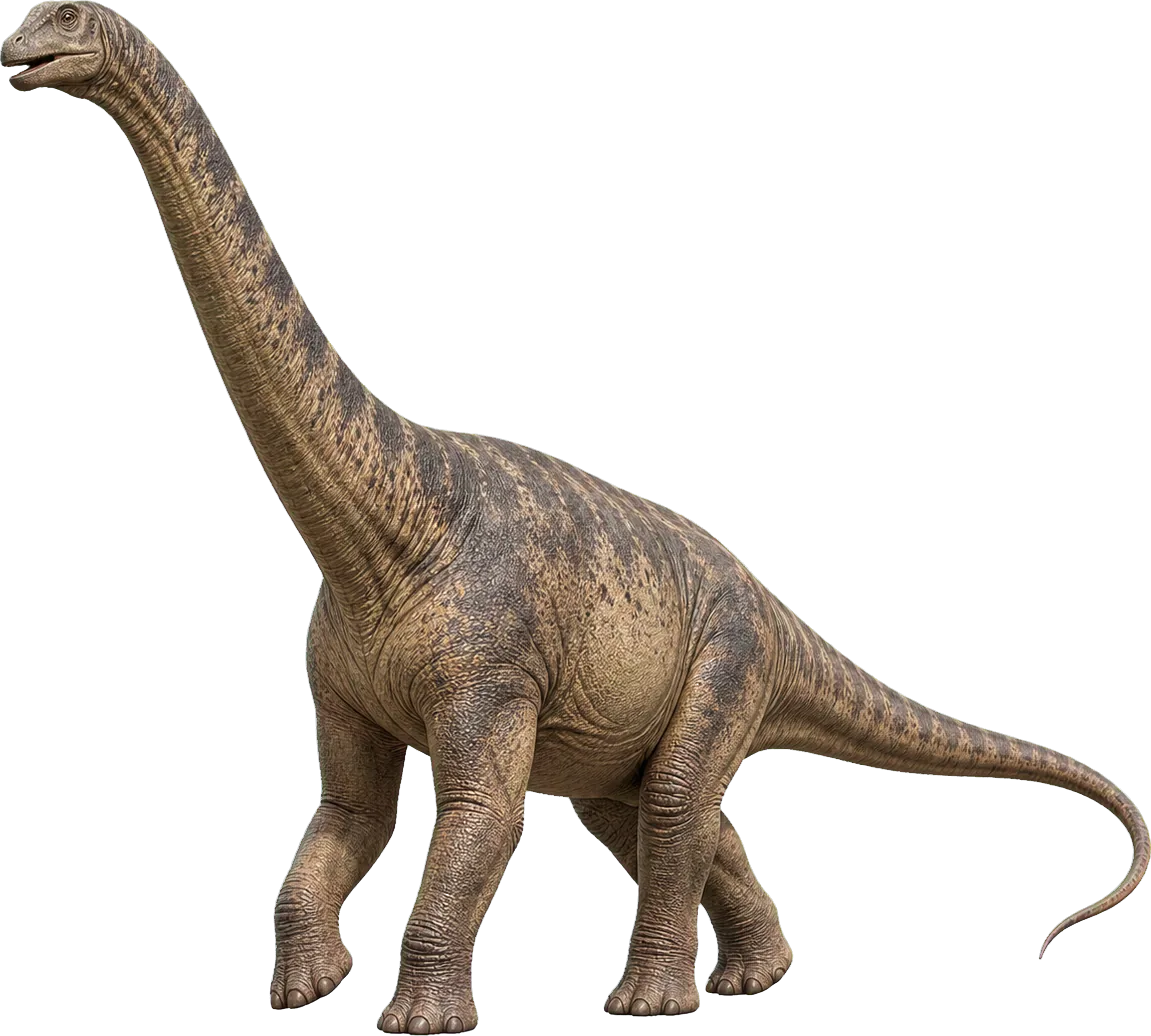
How large was Apatosaurus
The height line shows the standing body. Full length comes from the neck, back, and long tail.
Compare in the toolLook a little closer
More about Apatosaurus
Short chapters for curious children and grown-ups who want to read along.
Apatosaurus
Apatosaurus was a long-neck, but not just a neck with legs. This sauropod was built heavy: pillar legs, deep body, long tail, and a neck for reaching plants. It lived in the Morrison Formation with Stegosaurus, Allosaurus, and Diplodocus. Its name means deceptive lizard. That fits the famous Brontosaurus name puzzle too: with giants like these, bones had to be compared very carefully.
Size
Apatosaurus was about twenty-one meters long, and it was sturdier than many other famous long-necks. Thick legs stood under the body like columns. The back carried huge weight, and the tail lengthened the animal behind. If Diplodocus feels like a long whip, Apatosaurus feels more like a heavy Jurassic tractor: slow, strong, enormous.
21 m long4.5 m tallsturdy sauropod
Food
Apatosaurus ate plants, but its teeth were not built for long chewing. Simple teeth at the front of the mouth gathered leaves and twigs. The big work happened later in the huge gut. An animal this size needed an enormous amount of greenery. A day for Apatosaurus was full of walking, eating, and turning plants into body fuel.
plant eatersimple teethhuge gut
Habitat
Apatosaurus lived in Late Jurassic North America. The Morrison Formation preserves bones from that world: sauropods, Stegosaurus, smaller plant eaters, and big hunters like Allosaurus. Rivers, dry flats, and planty patches crossed the land. For Apatosaurus, it was a place to travel and feed, leaving heavy footprints in soft ground.
Morrison FormationNorth AmericaLate Jurassic
Protection
Apatosaurus had no horns and no armor. Its protection began with size. A grown Apatosaurus was far too big for many predators to bother easily. The long tail added distance, and the heavy legs were no delicate things. Young animals had to be more careful.
huge bodylong tailheavy legs
Movement
Apatosaurus walked on four legs. Every step had to move the long neck, heavy body, and tail together. It did not sprint like a small hunter, but its stride was enormous. The tail helped with balance while the neck reached forward. This was no dainty walker; it was a many-ton plant eater crossing Jurassic river country.
four legspillar limbsgiant steps
Did you know?
Apatosaurus is tied to one of the most famous dinosaur name puzzles. For a long time, Brontosaurus was treated as a name for similar fossils, and later the bones were studied more closely again. Brontosaurus sounds like thunder, but Apatosaurus has its own strong entrance: deceptive lizard, heavy body, long neck, and enough bone puzzles for many museum shelves.
deceptive lizardname puzzleBrontosaurus link
about 4.5 m tall
Beside a child, Apatosaurus is a wonder of length. The height shows only part of the animal. Neck and tail stretch far forward and back, while four heavy legs hold the body like columns.
Keep reading
Related dinosaurs
Jurassic
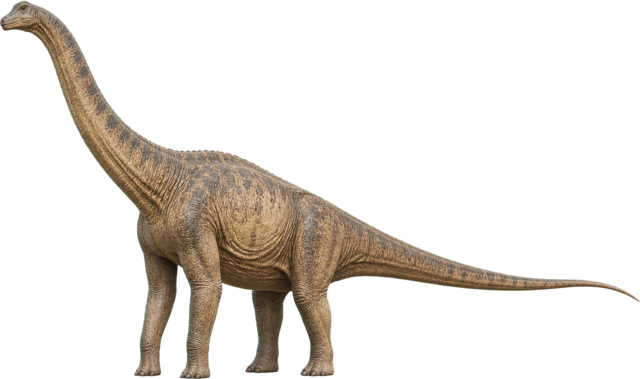
Brachiosaurus
Brachiosaurus was a huge sauropod with longer front legs and shoulders that rose very high.
Read about this dinosaur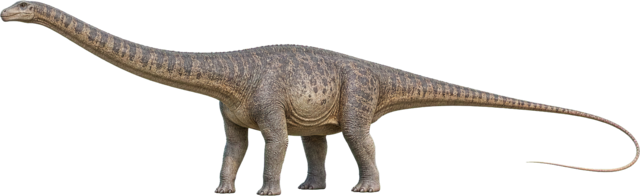
Jurassic
Diplodocus
Diplodocus was a very long, slender sauropod with peg-like teeth and a whip-like tail.
Read about this dinosaur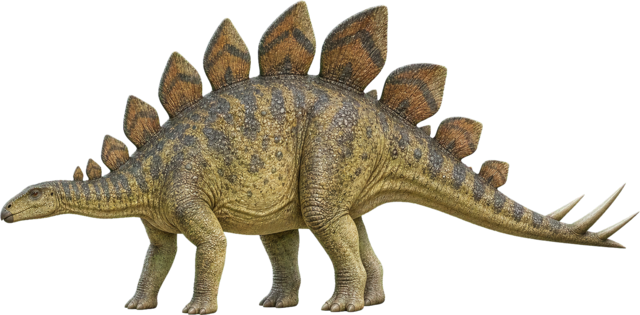
Jurassic
Stegosaurus
Stegosaurus was a plant eater with large back plates, a small head, and serious tail spikes.
Read about this dinosaur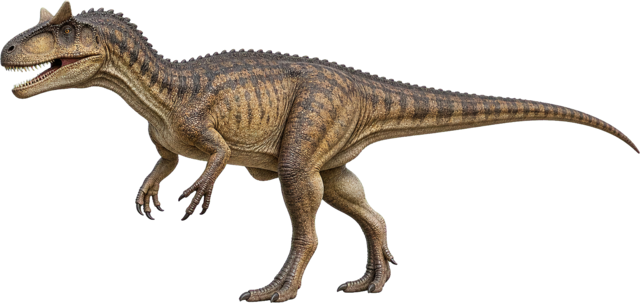
Jurassic
Allosaurus
Allosaurus was a big Jurassic predator with small brow horns, three-fingered hands, and teeth with saw-like edges.
Read about this dinosaurSources and review
How this page is checked
Names, periods, locations, diets, and size estimates are compared with museum and paleontology reference collections. Estimates are rounded and updated when the underlying content changes.
Last content review: June 22, 2026
Read our research method and sources