

Quetzalcoatlus northropi
Quetzalcoatlus for kids
Quetzalcoatlus was a giant pterosaur, not a dinosaur, with a long neck and enormous wingspan.
The essentials
What should you know about this dinosaur?
- Wingspan: 10.5 m wingspan
- Height: about 5 m tall
- Weight: about 200 kg
- Food: Meat eater
- Time: Cretaceous
- Region: North America
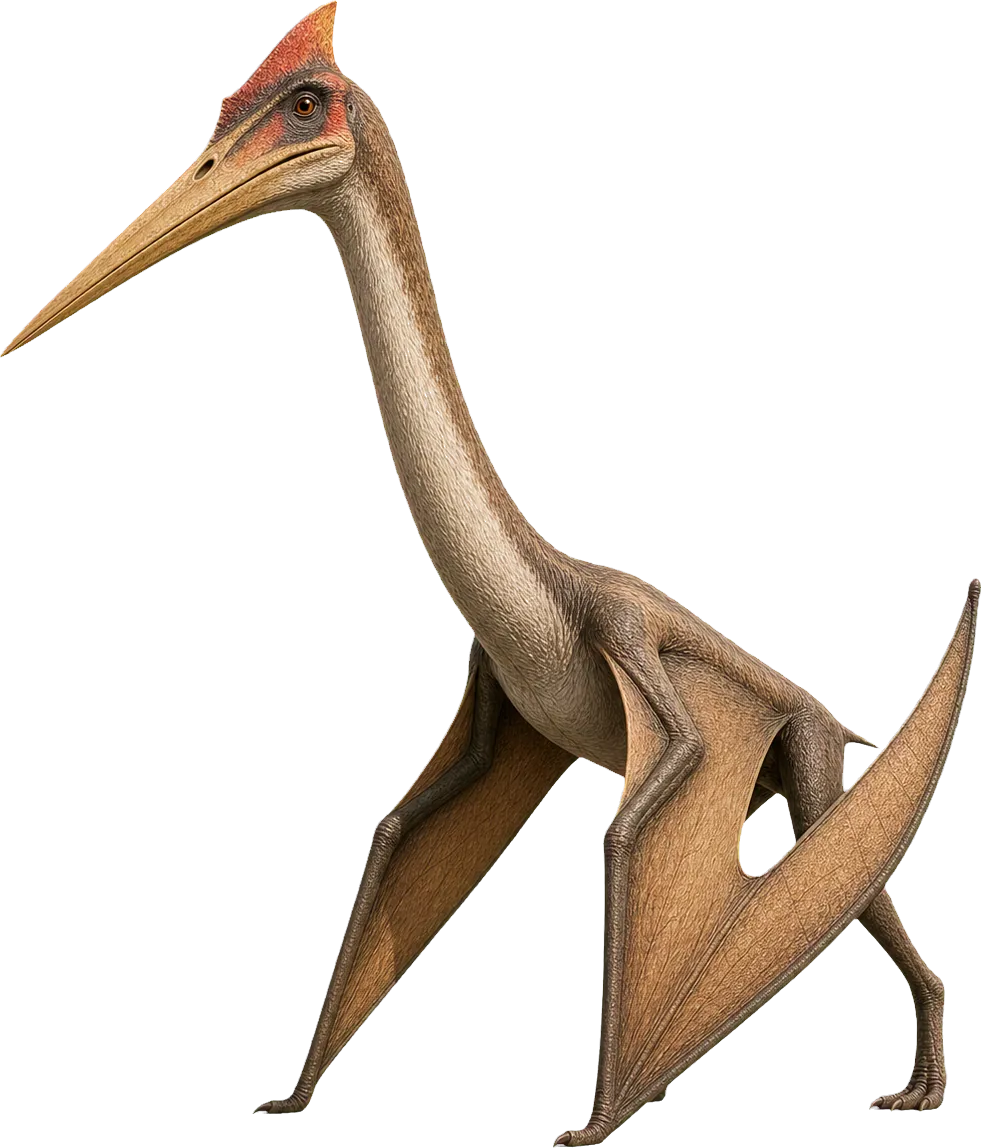
How large was Quetzalcoatlus
The height line shows the standing body with long neck. Wingspan is its own much wider number.
Compare in the toolLook a little closer
More about Quetzalcoatlus
Short chapters for curious children and grown-ups who want to read along.
Quetzalcoatlus
Quetzalcoatlus was one of the largest known pterosaurs. It was not a dinosaur, but a flying reptile from a group called azhdarchids. Its fossils come from Big Bend in Texas. On the ground, it stood on four limbs, with folded wing-arms, long neck, and long beak. The wingspan was gigantic, but grounded body height is a separate number. Quetzalcoatlus feels like a walking crane that could also take to the air.
Size
Quetzalcoatlus could reach a wingspan around ten meters. On the ground, body height was a different number: about five meters in a tall stance with the neck up. Folded wings keep the grounded body readable. Otherwise the wingspan would take over everything. The wild part is this: it was huge on the ground and even wider in the air.
10.5 m wingspan5 m tallfolded wings
Food
Quetzalcoatlus had a long pointed beak and a long neck. Many body details fit an animal that walked on the ground and picked up small animals or bits of carrion. It was no toothy sea dragon and no plant eater. Picture a tall searcher striding through Cretaceous land and snapping down quickly with the beak.
meat eaterlong beakground searcher
Habitat
Quetzalcoatlus was discovered in Big Bend, Texas. Today the area is dry and dramatic, but during the Late Cretaceous the region included river and woodland settings. This pterosaur did not belong only above open ocean. Its fossils tell of a huge azhdarchid moving through a land landscape.
TexasBig BendLate Cretaceous
Protection
Quetzalcoatlus had no armor. Protection came from size, view, and distance. Standing five meters high makes an impression. The long beak kept things away from the body, and the wings could carry it out of trouble. On the ground it still had to be careful, because a huge pterosaur was lightly built, not made to brawl like an armored dinosaur.
huge heightlong beakno armor
Movement
On the ground, Quetzalcoatlus walked on all four limbs. The wing-arms helped support the body, as in other pterosaurs. To launch, a giant body had to get into the air, so strong limbs mattered. In flight, skin wings carried it. That switch is amazing: first stilt-like walking, then lifting off with finger wings.
four limbsfinger wingstall walk
Did you know?
Quetzalcoatlus is named after Quetzalcoatl, a feathered serpent figure from Mesoamerican traditions. The name sounds huge, and the animal was huge. Even so, Quetzalcoatlus did not have bird feather wings. Its wings were skin membranes on lengthened fingers. A giant name for a giant, very strange pterosaur.
Quetzalcoatl nameazhdarchidskin wings
about 5 m tall
Beside a child, Quetzalcoatlus looks almost unreal in height. The folded wings stay against the body so the grounded height is correct. The wingspan would spread much wider to the sides than the picture shows.
Keep reading
Related dinosaurs
Cretaceous
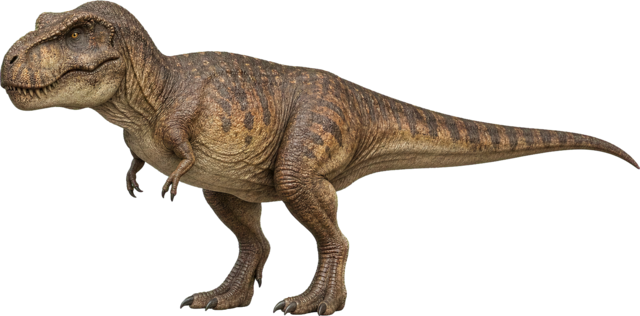
Tyrannosaurus rex
Tyrannosaurus rex was a huge meat eater with an enormous head, powerful teeth, and short arms.
Read about this dinosaur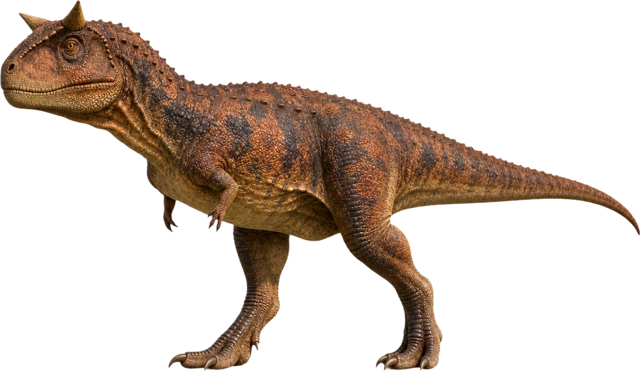
Cretaceous
Carnotaurus
Carnotaurus was a fast meat eater with short horns, extremely small arms, and fossil skin impressions.
Read about this dinosaur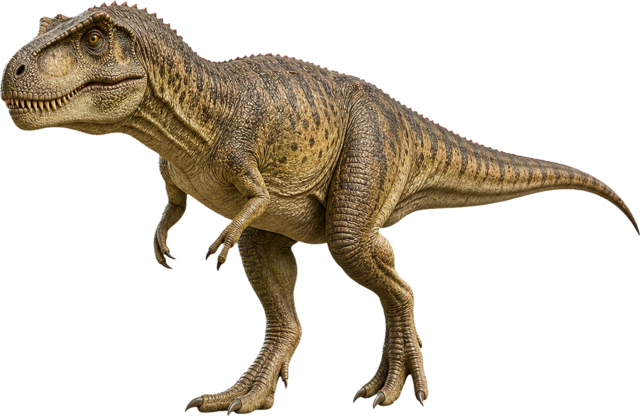
Cretaceous
Giganotosaurus
Giganotosaurus was a huge meat eater from Patagonia, with a long skull and blade-like teeth.
Read about this dinosaur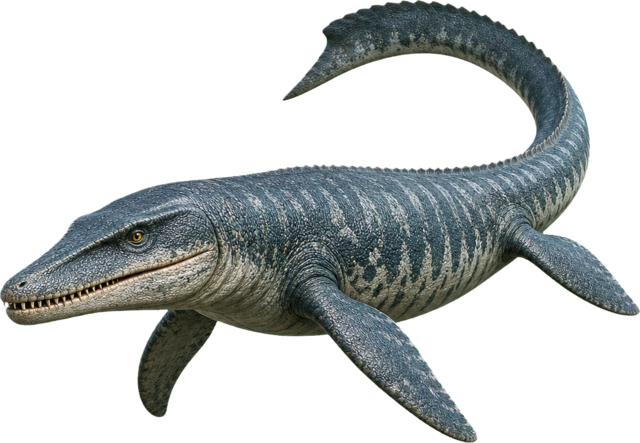
Cretaceous
Mosasaurus
Mosasaurus was not a dinosaur, but a giant marine lizard with flippers, a powerful tail, and cone teeth.
Read about this dinosaurSources and review
How this page is checked
Names, periods, locations, diets, and size estimates are compared with museum and paleontology reference collections. Estimates are rounded and updated when the underlying content changes.
Last content review: June 22, 2026
Read our research method and sources