

Velociraptor mongoliensis
Velociraptor for kids
Velociraptor was a small feathered predator from Mongolia, with a sickle claw and long tail.
The essentials
What should you know about this dinosaur?
- Length: 1.8 m long
- Height: 0.5 m tall
- Weight: about 7 kg
- Food: Meat eater
- Time: Cretaceous
- Region: Mongolia and Central Asia
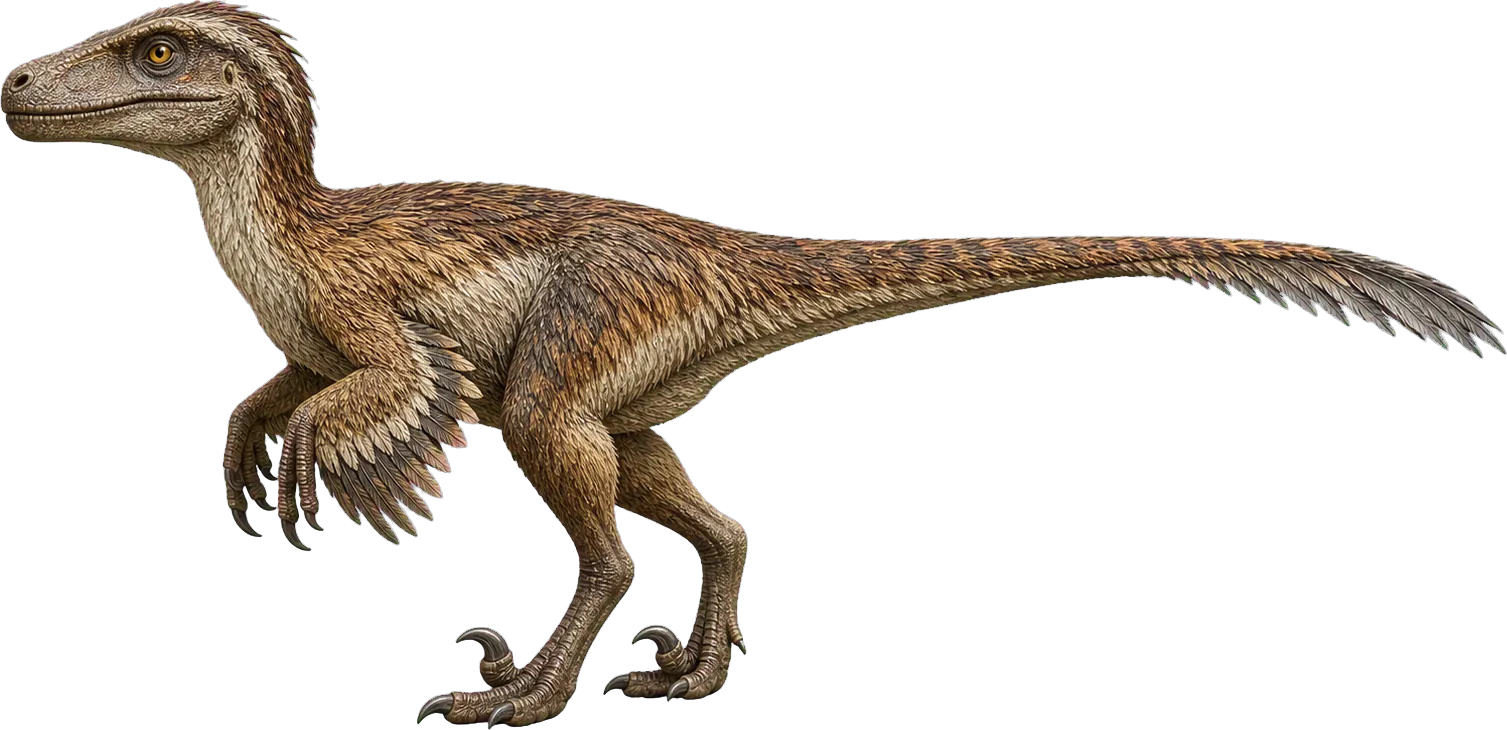
How large was Velociraptor
The height line shows the low body. Length comes from back and long tail.
Compare in the toolLook a little closer
More about Velociraptor
Short chapters for curious children and grown-ups who want to read along.
Velociraptor
Velociraptor was much smaller than many people imagine: a nimble Gobi predator, not a giant monster. It lived in Late Cretaceous Mongolia, in the Djadokhta Formation. Fossils show close relatives with feathers, and Velociraptor itself has arm-bone clues for feather attachments. Its most famous fossil is the Fighting Dinosaurs specimen: Velociraptor and Protoceratops locked together. A real moment in sandstone, no exaggeration needed.
Size
Velociraptor was about 1.8 meters long, with plenty of tail in that number. Body height was only about half a meter. That sounds small beside T-Rex, but a living Velociraptor would be a very serious animal: light body, long tail, clawed hands, and a sickle claw on the foot. Its small size helped make it quick, agile, and hard to grab.
1.8 m long0.5 m tallsmall raptor
Food
Velociraptor ate meat. Small reptiles, mammals, eggs, and Protoceratops all belonged to its world. The most famous fossil shows Velociraptor directly with Protoceratops: the plant eater has the raptor's arm in its mouth, while the raptor grips the head. No invented fight: an extraordinary Gobi fossil.
meat eaterProtoceratopsGobi fossil
Habitat
Velociraptor comes from the Djadokhta Formation in Mongolia. This Gobi landscape had dunes, dry areas, and sandy deposits that could cover fossils quickly. Eggs, nests, and small animals are famous there too. Velociraptor was no jungle giant. It was an alert predator from a dry, dusty Cretaceous world.
MongoliaDjadokhta FormationGobi
Defense
On the second toe, Velociraptor carried a curved sickle claw. While walking, it was held raised so the tip stayed protected. Grasping hands and teeth added to the gear. Protoceratops was no easy opponent, with its strong beak. The fossil grips because of this: two small-to-medium animals with very different equipment.
sickle clawgrasping handsProtoceratops beak
Speed
Velociraptor ran on two legs. The long tail helped with quick turns and balance. The body was light, the legs strong, and the arms could move or grip. With feathers, it did not look like a bare lizard; it was a sharp ground-level raptor. Its motion was the opposite of clumsy: quick, tight, alert.
two-leggedlong tailagile
Did you know?
Velociraptor arm bones have marks linked to feather attachments. Those marks point to feathers on this famous raptor. In your head, that changes everything: not smooth monster skin, but a feathered hunter with a sickle claw. Small, quick, feathery, from Mongolia - there Velociraptor becomes truly interesting.
feather marksfeathered raptorMongolia
about 0.5 m tall
Beside a child, Velociraptor is small, but not harmless. It stays low, the tail makes it long, and the sickle claw sits on the foot. A raptor to inspect closely, not to make giant.
Keep reading
Related dinosaurs
Cretaceous
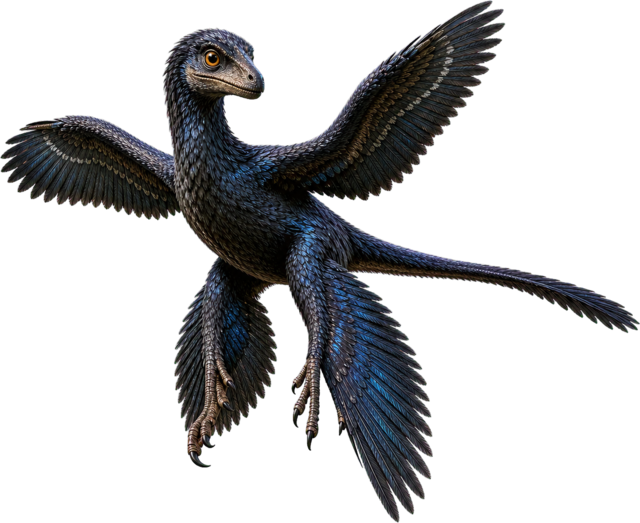
Microraptor
Microraptor was a small feathered dinosaur with long feathers on both arms and legs.
Read about this dinosaur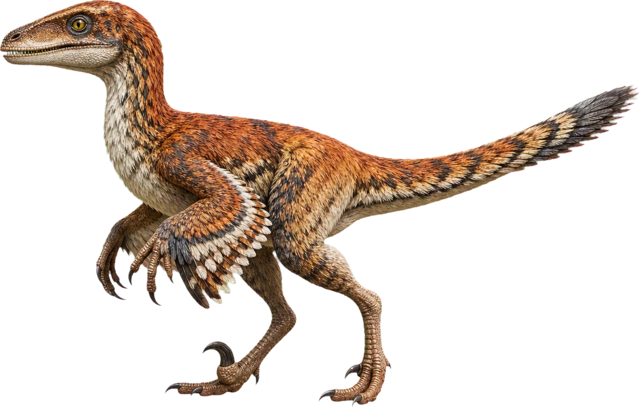
Cretaceous
Deinonychus
Deinonychus was a feathered raptor relative with a large sickle claw on each second toe.
Read about this dinosaur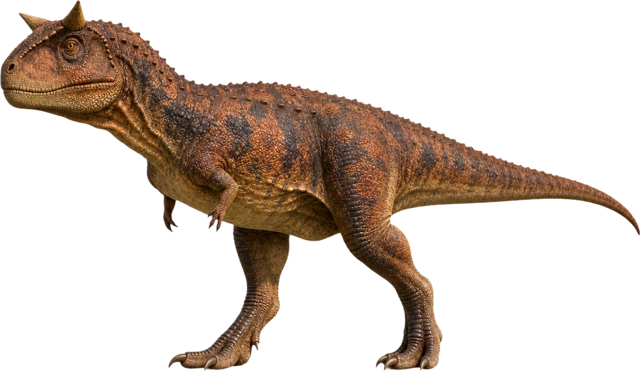
Cretaceous
Carnotaurus
Carnotaurus was a fast meat eater with short horns, extremely small arms, and fossil skin impressions.
Read about this dinosaur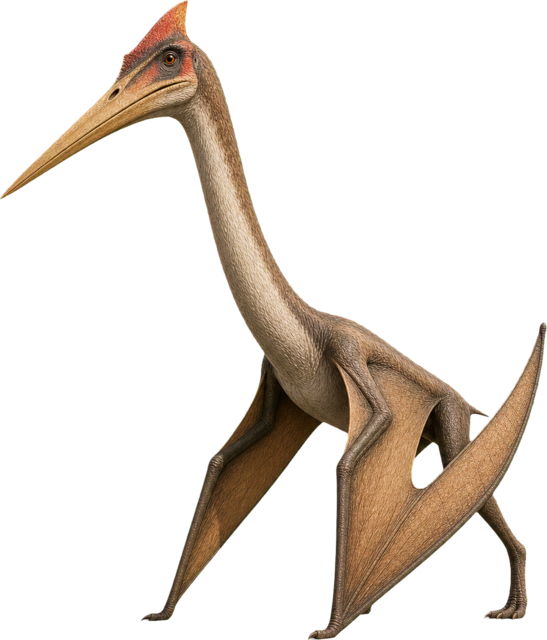
Cretaceous
Quetzalcoatlus
Quetzalcoatlus was a giant pterosaur, not a dinosaur, with a long neck and enormous wingspan.
Read about this dinosaurSources and review
How this page is checked
Names, periods, locations, diets, and size estimates are compared with museum and paleontology reference collections. Estimates are rounded and updated when the underlying content changes.
Last content review: June 22, 2026
Read our research method and sources