

Spinosaurus aegyptiacus
Spinosaurus for kids
Spinosaurus was a huge meat eater with a back sail, long crocodile-like head, and water-loving body.
The essentials
What should you know about this dinosaur?
- Length: 14 m long
- Height: about 3.2 m tall
- Weight: about 7.4 tonnes
- Food: Fish and meat eater
- Time: Cretaceous
- Region: North Africa
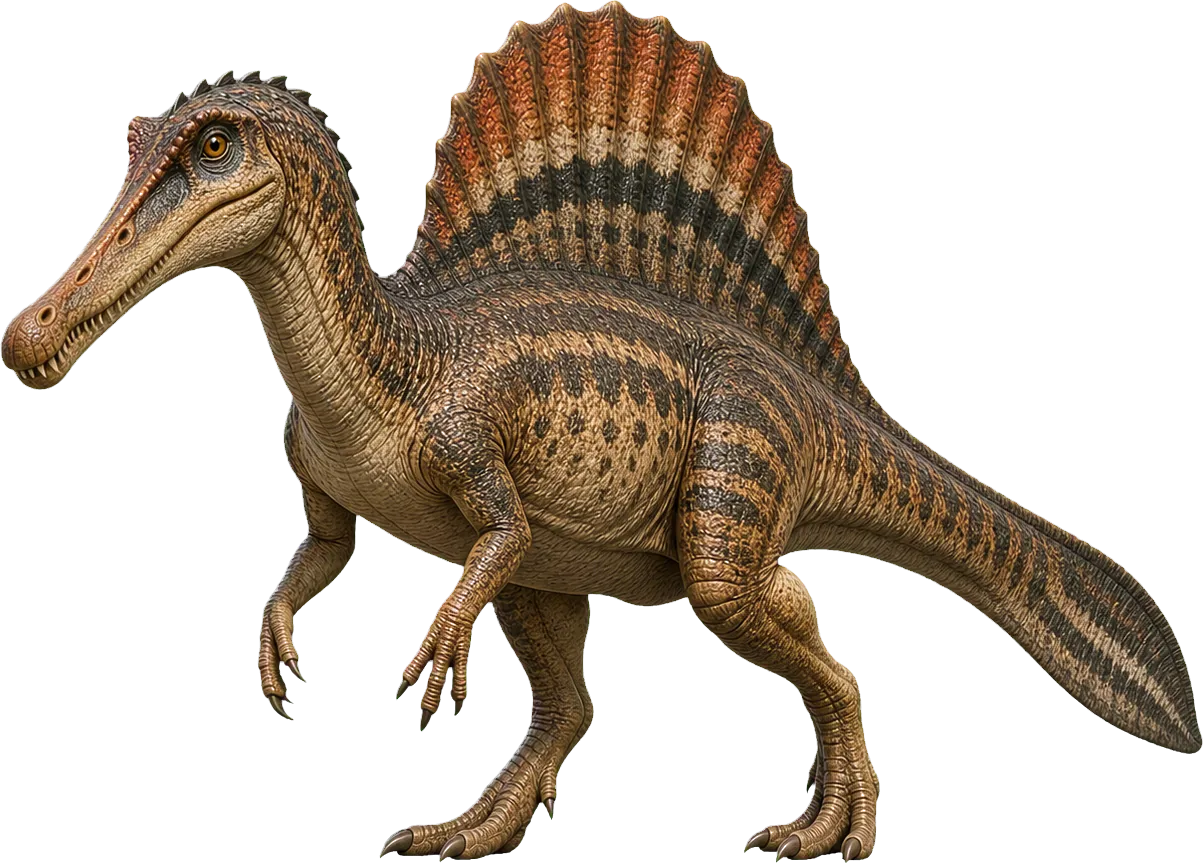
How large was Spinosaurus
The height line includes the body and back sail. Skull and tail add even more length.
Compare in the toolLook a little closer
More about Spinosaurus
Short chapters for curious children and grown-ups who want to read along.
Spinosaurus
Spinosaurus is not just a longer T-Rex. It was a very different predator from North Africa. The skull was long and narrow, the teeth were cone-shaped like a fish catcher, and tall spines on the back formed a sail. Newer fossils also show a tall paddle-like tail. Dense bones fit a water-loving lifestyle too. Spinosaurus is the dinosaur where river, fish, and meat eater all meet in one body.
Size
Spinosaurus could reach about fourteen meters long. That length puts it among the longest known meat eaters. Its height comes not only from the body, but also from the back sail. The skull was long, the tail long, and the whole animal unusually stretched. Beside other predators, Spinosaurus looks strange: less blocky head, more river-monster shape.
14 m long3.2 m tallback sail
Food
Spinosaurus ate meat, and fish were especially important. Its cone-shaped teeth gripped slippery prey instead of slicing like saw teeth. North African river systems held large fish, including the saw-snouted Onchopristis. The long skull fits a predator snapping near water. It could eat other animals too, but fish is the strongest clue in its body.
fish eatercone teethOnchopristis
Habitat
Spinosaurus lived in North Africa, in Cretaceous landscapes with rivers, banks, and waterways. This world held fish, crocodile relatives, pterosaurs, and dinosaurs. Think wide river channels instead of open prairie. Spinosaurus fits there like almost no other large theropod: feet near the bank, head over water, tail ready for swimming.
North AfricariversCretaceous
Protection
The tall back sail made Spinosaurus stand out instantly. It was formed by long spines on the vertebrae, covered by skin. Its exact job remains a great dinosaur puzzle: recognition, display, warmth, or several things together. Around other animals, Spinosaurus also had size, teeth, and claws. But the star on its back was that giant sail.
back saillong spineslarge claws
Movement
The tail of Spinosaurus is the big water clue. Fossils show a tall, side-swinging tail shape that could push through water well. Together with dense bones, that fits an animal spending lots of time in and around water. On land, it moved differently from classic big predators. In water, the tail became the main drive idea.
paddle taildense boneswater-loving
Did you know?
Spinosaurus has a dramatic fossil trail. Early important bones from Egypt were described, then later destroyed in wartime. New finds from North Africa had to rebuild the picture. New finds keep changing Spinosaurus in books. Today's star is not only the sail, but the whole water-dinosaur idea with paddle tail and fish teeth.
changing pictureNorth Africa findswater dinosaur
about 3.2 m tall
Beside a child, Spinosaurus is long and high, but the sail changes everything. The height line shows body plus sail, while the long head and tail pull the river-hunter shape forward and back.
Keep reading
Related dinosaurs
Cretaceous
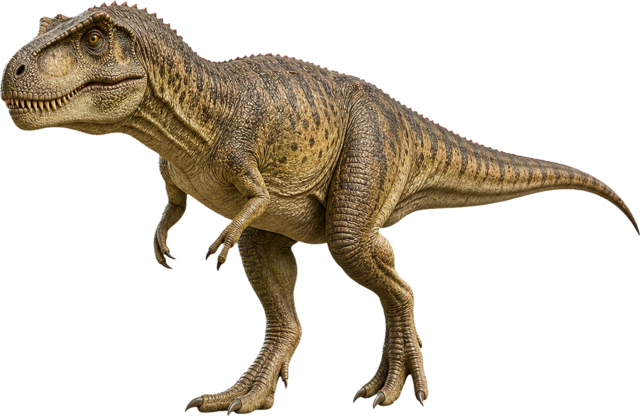
Giganotosaurus
Giganotosaurus was a huge meat eater from Patagonia, with a long skull and blade-like teeth.
Read about this dinosaur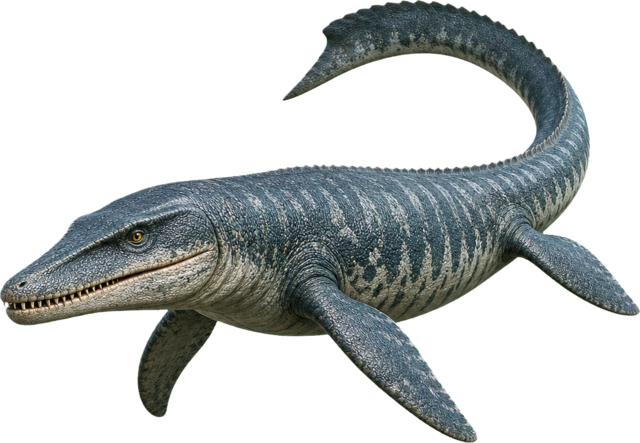
Cretaceous
Mosasaurus
Mosasaurus was not a dinosaur, but a giant marine lizard with flippers, a powerful tail, and cone teeth.
Read about this dinosaur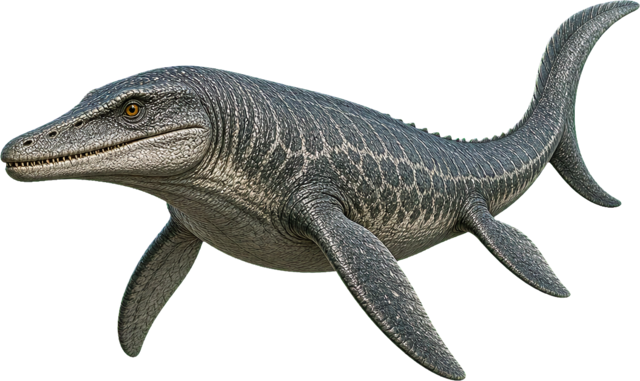
Cretaceous
Tylosaurus
Tylosaurus was a large mosasaur, not a dinosaur, with flippers, a strong tail, and a bony snout.
Read about this dinosaur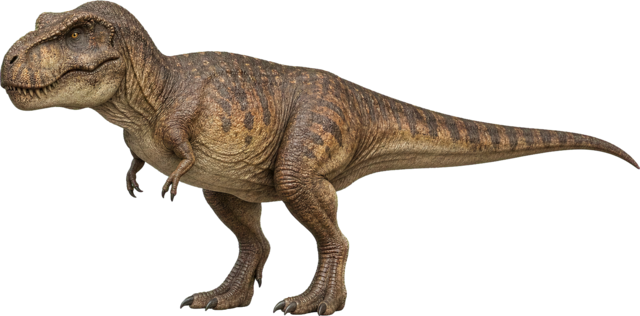
Cretaceous
Tyrannosaurus rex
Tyrannosaurus rex was a huge meat eater with an enormous head, powerful teeth, and short arms.
Read about this dinosaurSources and review
How this page is checked
Names, periods, locations, diets, and size estimates are compared with museum and paleontology reference collections. Estimates are rounded and updated when the underlying content changes.
Last content review: June 22, 2026
Read our research method and sources