

Tylosaurus proriger
Tylosaurus for kids
Tylosaurus was a large mosasaur, not a dinosaur, with flippers, a strong tail, and a bony snout.
The essentials
What should you know about this dinosaur?
- Length: 13 m long
- Height: about 1.5 m body depth
- Weight: about 7 tonnes
- Food: Meat eater
- Time: Cretaceous
- Region: North America
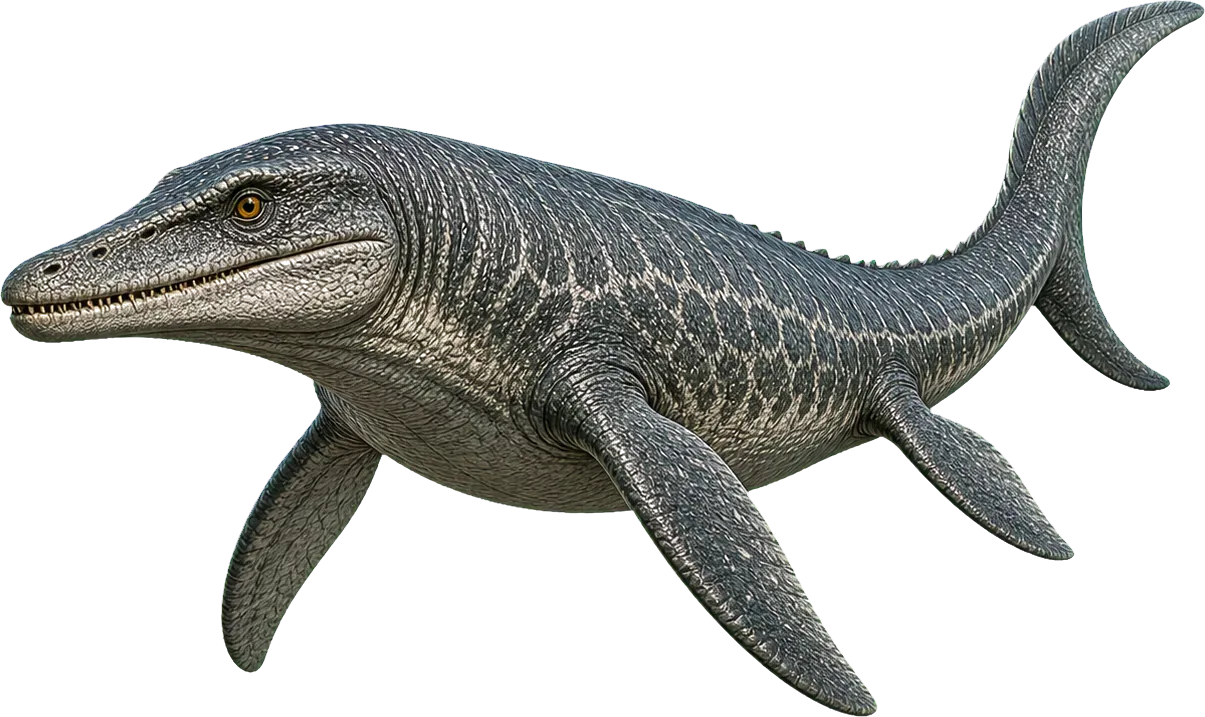
How large was Tylosaurus
The height line shows body thickness. Thirteen meters of length matters much more for Tylosaurus.
Compare in the toolLook a little closer
More about Tylosaurus
Short chapters for curious children and grown-ups who want to read along.
Tylosaurus
Tylosaurus was not a dinosaur. It was a mosasaur, a giant marine lizard of the Late Cretaceous. Back then, a sea covered parts of North America: the Western Interior Seaway. Tylosaurus swam there with flippers, powerful tail, and long skull. A bony projection sat at the front of the snout; the name means knob lizard. Fossil stomach contents show an impressive menu: fish, sharks, seabirds, plesiosaurs, and smaller mosasaurs.
Size
Tylosaurus could reach about thirteen meters long. Its comparison height is much smaller because it was not a standing land dinosaur. The body was long and streamlined, with flippers instead of legs. In water, length, thrust, and turning matter. Beside a child, Tylosaurus does not feel tower-tall; it feels endlessly long, like a reptile moving through the sea.
13 m longmarine lizardflippers
Food
Tylosaurus has especially sharp food clues. Fossil stomach contents show fish, sharks, seabirds, plesiosaurs, and even smaller mosasaurs. That reads like a Cretaceous menu for a top sea predator. Its teeth and jaws held slippery, fast prey. Tylosaurus was no plant nibbler; it was a large hunter in the inland sea.
meat eaterfishstomach contents
Habitat
Many Tylosaurus fossils come from Kansas. Today it is land, but in the Late Cretaceous a warm inland sea covered huge areas there. Fish, ammonites, sharks, plesiosaurs, and mosasaurs lived in the Western Interior Seaway. Tylosaurus belongs exactly in that water world. When you hear Kansas here, think waves instead of wheat fields.
Kansasinland seaLate Cretaceous
Protection
Tylosaurus had a firm bony snout area at the front of the skull. The name points to that knob. It also had a long body, strong jaws, and plenty of swimming power. It wore no shell-like armor, but size and speed were strong arguments in water. In a sea full of predators, even a large mosasaur had to stay alert.
bony snoutstrong jawsfast swimmer
Movement
Tylosaurus swam with flippers and tail. The flippers steered while the long tail drove the body forward. Modern mosasaur pictures often show a strong tail fluke or side-sweeping tail. That differs from fish, but works powerfully in water. Tylosaurus did not travel over land; it cut through Cretaceous waves.
flipperstail thrustwater hunter
Did you know?
Tylosaurus belongs to the mosasaurs, the great marine lizards of the Cretaceous. A great mind flip: a huge toothy prehistoric predator can be something other than a dinosaur. Some lived in water and had a totally different build. Tylosaurus is the one with the knob snout and a food list preserved in fossils.
mosasaurknob lizardnot a dinosaur
about 1.5 m body depth
Beside a child, Tylosaurus is mostly about length. It does not stand on legs; it swims with flippers. Body height stays low, while the whole mosasaur stretches far beyond the child figure.
Keep reading
Related dinosaurs
Cretaceous
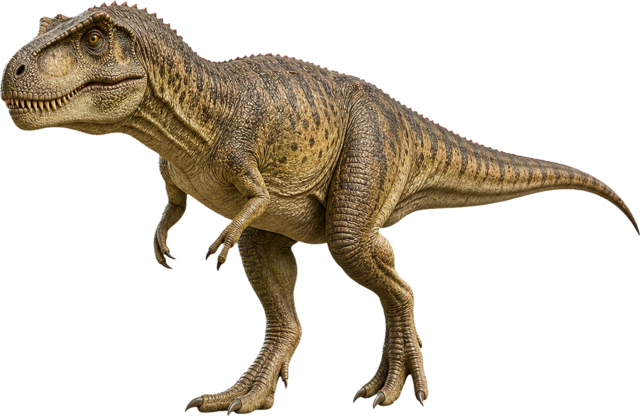
Giganotosaurus
Giganotosaurus was a huge meat eater from Patagonia, with a long skull and blade-like teeth.
Read about this dinosaur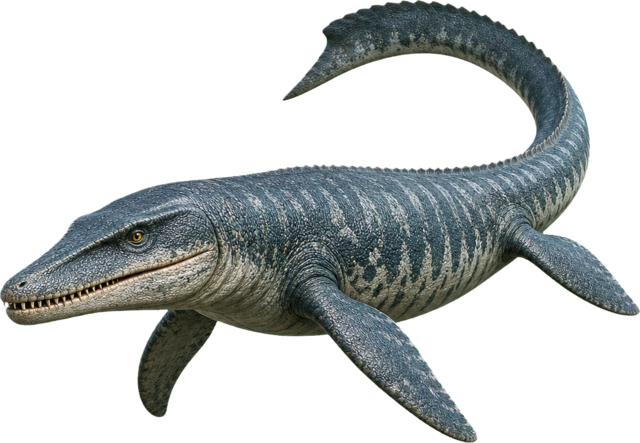
Cretaceous
Mosasaurus
Mosasaurus was not a dinosaur, but a giant marine lizard with flippers, a powerful tail, and cone teeth.
Read about this dinosaur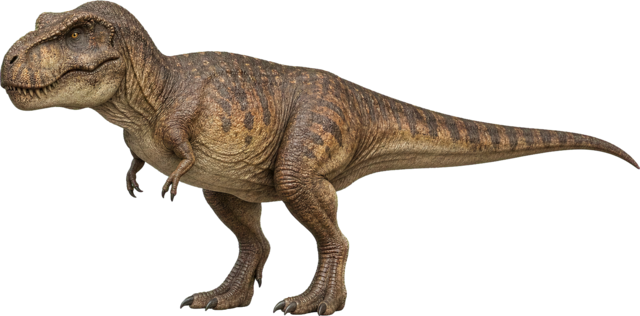
Cretaceous
Tyrannosaurus rex
Tyrannosaurus rex was a huge meat eater with an enormous head, powerful teeth, and short arms.
Read about this dinosaur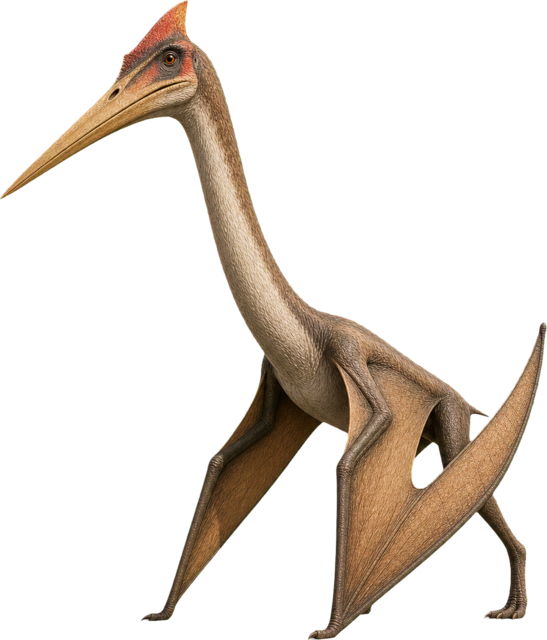
Cretaceous
Quetzalcoatlus
Quetzalcoatlus was a giant pterosaur, not a dinosaur, with a long neck and enormous wingspan.
Read about this dinosaurSources and review
How this page is checked
Names, periods, locations, diets, and size estimates are compared with museum and paleontology reference collections. Estimates are rounded and updated when the underlying content changes.
Last content review: June 22, 2026
Read our research method and sources