

Iguanodon bernissartensis
Iguanodon for kids
Iguanodon was a large plant eater with iguana-like teeth, hoof-like fingers, and a thumb spike.
The essentials
What should you know about this dinosaur?
- Length: 10 m long
- Height: about 2.7 m tall
- Weight: about 4 tonnes
- Food: Plant eater
- Time: Cretaceous
- Region: Europe
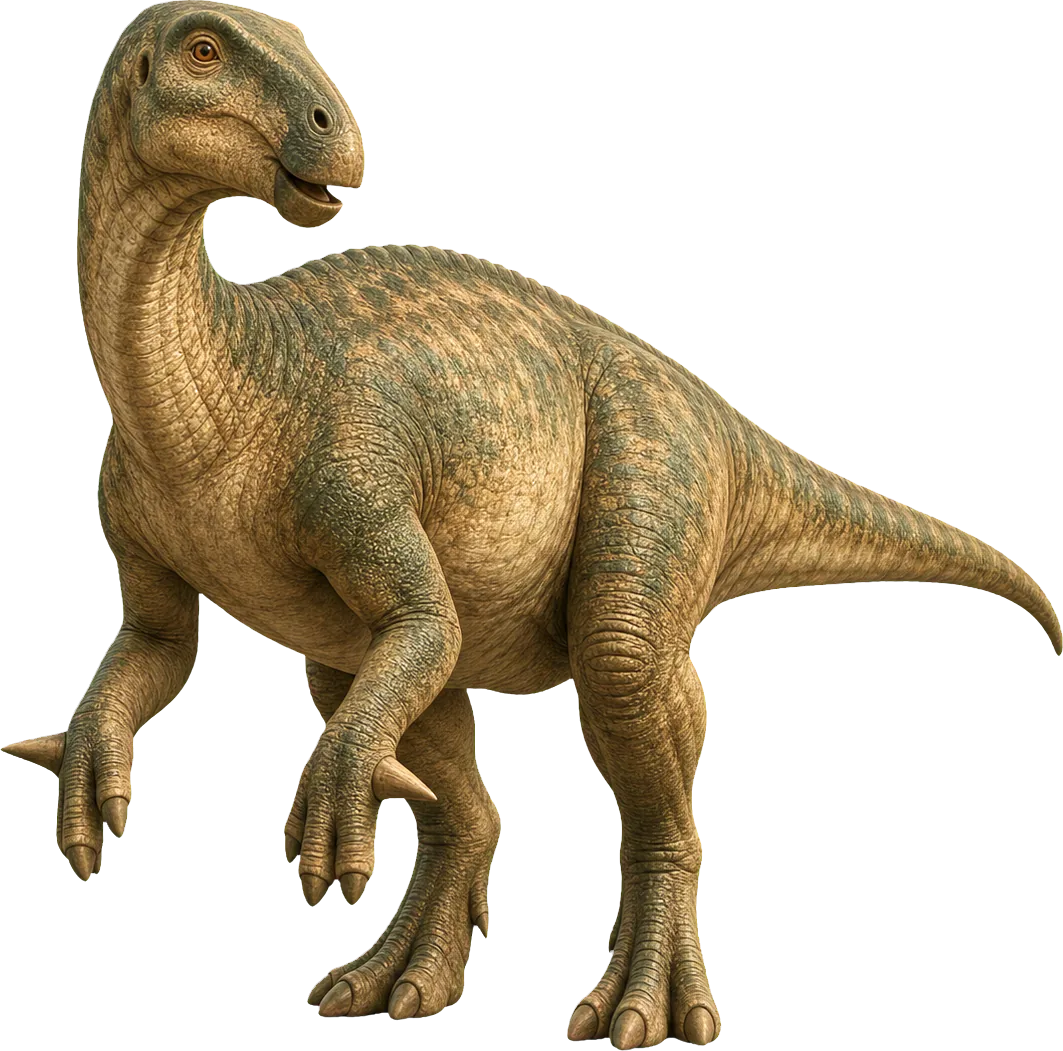
How large was Iguanodon
The height line shows the strong body stance. Full length runs from beak to tail.
Compare in the toolLook a little closer
More about Iguanodon
Short chapters for curious children and grown-ups who want to read along.
Iguanodon
Iguanodon is one of the dinosaurs that got a name very early. The name means iguana tooth, because the first teeth looked like iguana teeth, only huge. Later, many skeletons came from a coal mine at Bernissart in Belgium. Those bones revealed a wonderful detail: the famous spike sat on the thumb, not on the nose. Iguanodon was a big plant eater with a truly strange tool hand.
Size
Iguanodon was about ten meters long. It was not a sauropod with an endless neck, but a strong plant eater with a long tail, powerful hips, and a deep body. The hind legs were sturdy, and the front limbs could help carry weight. Next to smaller dinosaurs it looked huge; next to a long-neck, it was more like a compact plant tank without armor.
10 m long2.7 m tallstrong body
Food
Iguanodon ate plants. Its teeth reminded early fossil workers of iguana teeth and could cut and grind plant material. The front had a beak area, and the back of the mouth did the tooth work. This dinosaur was not just swallowing leaves whole. Its head was a plant-processing machine. Those teeth helped launch a whole dinosaur discovery.
plant eateriguana toothstrong jaws
Habitat
The most famous Iguanodon fossils came from deep in a coal mine at Bernissart, Belgium. Many skeletons were found there, not just one bone. That helped people understand posture, hands, and skull shape much better. Iguanodon lived in Early Cretaceous Europe, in places with plants, wetlands, and rivers. The mine became a window into dinosaurs.
BelgiumBernissartEarly Cretaceous
Protection
Iguanodon's most famous tool sat on the hand: a large pointed thumb. That bone was once placed as a nose horn. In the correct spot it is even better, because the hand had several special parts. Middle fingers carried weight like little hooves, an outer finger could grasp, and the thumb pointed sideways as a spike.
thumb spikehoof fingersgrasping finger
Movement
Iguanodon could move on four legs, but the hind legs were strong enough for a more upright stance too. The hands were built for support, not like predator claws. The long tail helped with balance. Picture an animal walking calmly on all fours, then lifting higher when it needed a different posture.
four legsstrong hind legslong tail
Did you know?
The old nose-horn idea for Iguanodon is one of the best fossil mix-ups. More complete skeletons showed that the spike belonged on the thumb. A new find changed the whole animal picture. Iguanodon becomes more than a plant eater; it is a bone detective tale: teeth gave the name, hands changed the look.
early namenose-horn mix-upthumb corrected
about 2.7 m tall
Beside a child, Iguanodon looks large and strong, but not endlessly long like a sauropod. Watch the hand: the thumb spike is small in the whole picture, but huge as an identifying clue.
Keep reading
Related dinosaurs
Cretaceous
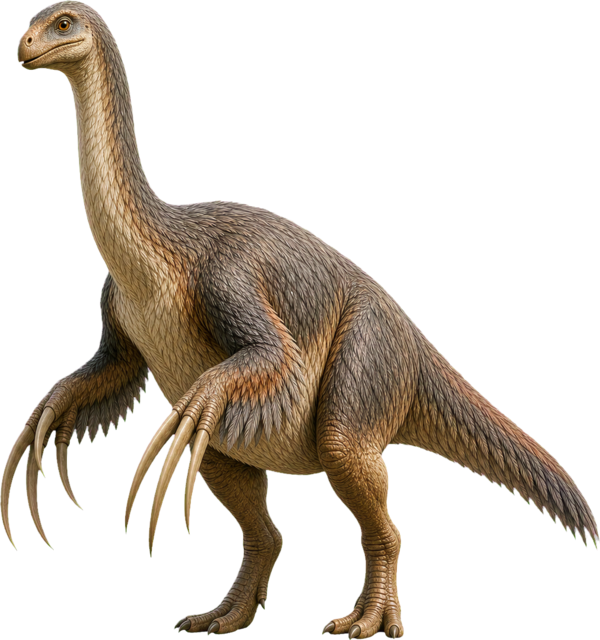
Therizinosaurus
Therizinosaurus was a strange theropod from Mongolia, with enormous hand claws and a plant-eater body.
Read about this dinosaur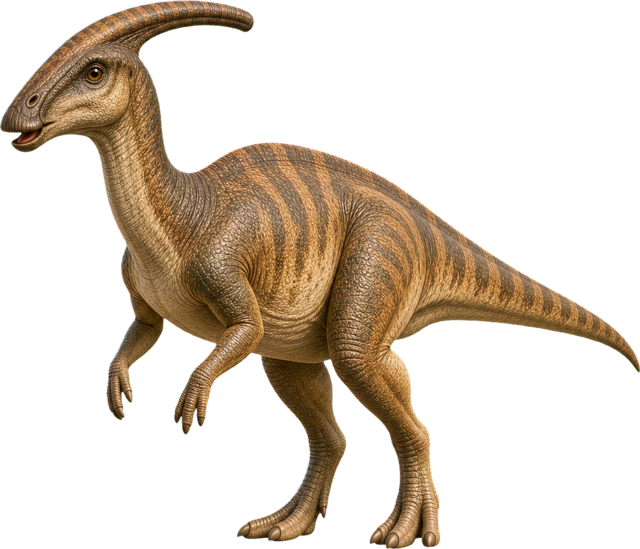
Cretaceous
Parasaurolophus
Parasaurolophus was a duck-billed dinosaur with a long hollow crest on its head.
Read about this dinosaur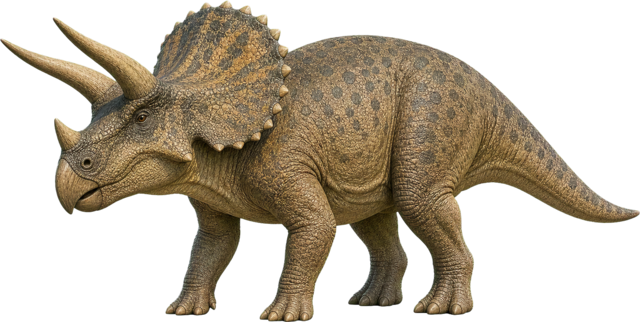
Cretaceous
Triceratops
Triceratops was a large plant eater with three horns, a neck frill, beak, and strong teeth.
Read about this dinosaur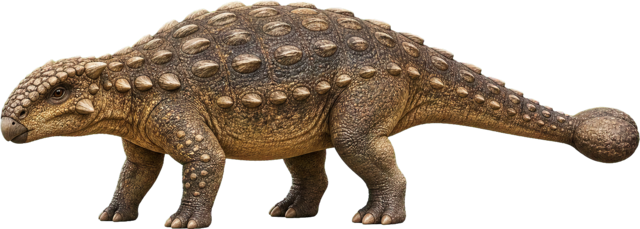
Cretaceous
Ankylosaurus
Ankylosaurus carried bony armor in its skin and a heavy club at the end of its tail.
Read about this dinosaurSources and review
How this page is checked
Names, periods, locations, diets, and size estimates are compared with museum and paleontology reference collections. Estimates are rounded and updated when the underlying content changes.
Last content review: June 22, 2026
Read our research method and sources